
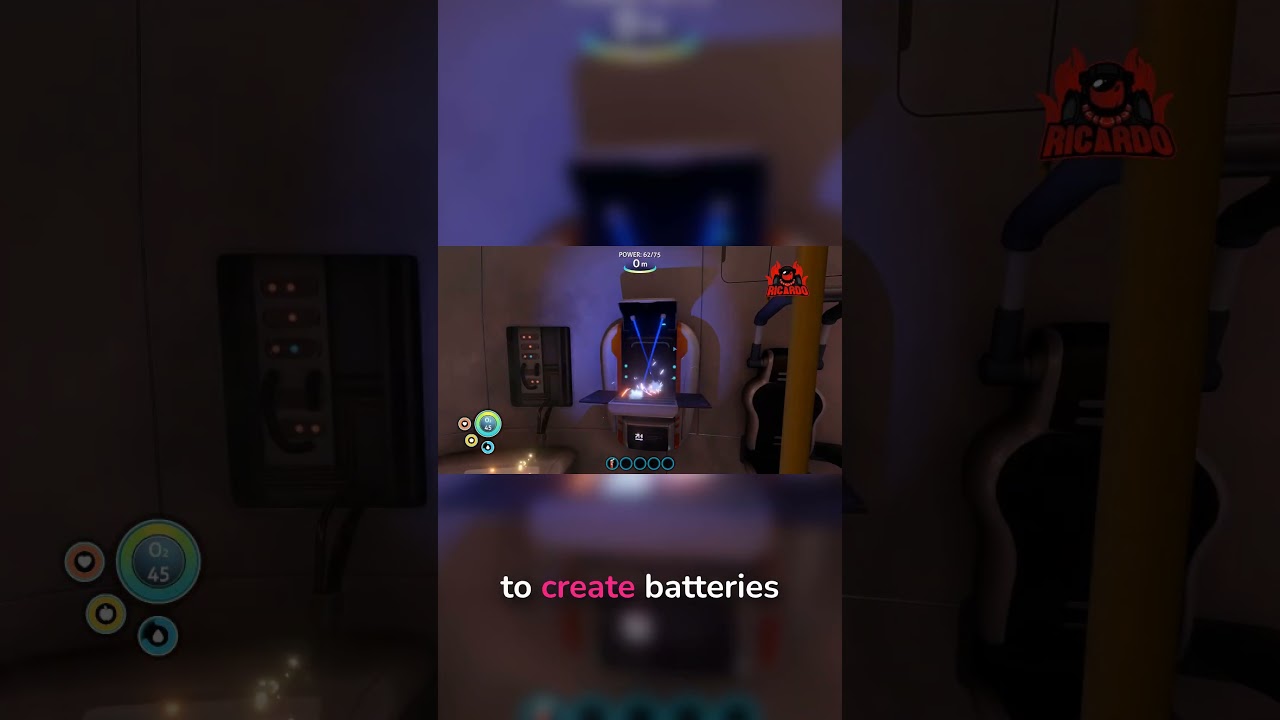

Surviving in Subnautica starts with knowing where to find the essential resources. Whether you are leaving Lifepod 5 for the very first time, returning to Planet 4546B for another playthrough, or starting a harder survival run and wanting to gather efficiently, the early-game materials you collect in the first few dives determine how smoothly the entire opening of your playthrough goes. This guide covers the key resources you need to collect first — what they look like, where to find them, what they are used for, and what dangers to watch out for in the areas where they appear.
Titanium — The Foundation of Everything
Titanium is the single most commonly used resource in Subnautica. It appears in limestone outcrops — the small, rounded rocks with a lighter mineral deposit visible on their surface that are scattered across the Safe Shallows and most other early-game biomes. Breaking a limestone outcrop with the Survival Knife yields Titanium fragments, sometimes alongside Copper Ore or other materials.
Titanium is used in almost every structural and equipment recipe in the game. Base building modules, tool casings, storage lockers, and many key pieces of equipment all require Titanium. The practical advice is simple: gather Titanium constantly. Every limestone outcrop you see during a resource dive is worth breaking. You will always find a use for more Titanium, and running out of it mid-construction or mid-upgrade is one of the most common early-game frustrations.
Titanium can also be obtained by breaking down salvageable metal debris — wreckage fragments scattered around the Safe Shallows near the Aurora crash site. These debris pieces yield one or two Titanium each and are worth interacting with whenever you swim past them during early exploration.
Copper Ore — Power for Everything Electrical
Copper Ore is the electrical component resource of Subnautica’s early game. Batteries, wiring kits, electronic components, the Scanner, the Repair Tool, and many powered tools and base systems all require Copper Ore. Like Titanium, it appears in limestone outcrops and has a distinctive orange-brown colour that distinguishes it from plain Titanium deposits.
Copper Ore is also found in large resource deposits in specific biome areas — larger, multi-harvest mineral formations that yield more material per dive than individual outcrops. These deposits tend to be in slightly deeper areas of the Safe Shallows and the Kelp Forest biome boundary. Finding and marking a good Copper deposit early dramatically reduces the time you spend searching for it across multiple play sessions.
The priority for Copper Ore is building your first batch of batteries, crafting the Scanner, and powering your Habitat Builder when you reach base building. Keep a consistent supply in storage and process it into batteries or wiring kits as needed rather than keeping raw ore indefinitely.
Quartz — Glass and Electronics
Quartz appears as transparent crystal formations on the ocean floor — a distinctive glassy mineral that stands out clearly against the sandy or rocky seabed of the Safe Shallows. Quartz is processed into Enamelled Glass and used in equipment that requires transparent components — Scanner housing, various tools, and base building elements like windows and observation panels.
Quartz is not as abundant as Copper or Titanium, but it is consistently findable in the Safe Shallows without going to deep or dangerous areas. The best approach is to collect it opportunistically during other resource dives rather than making dedicated Quartz runs. If you are swimming through the Safe Shallows looking for outcrops and you spot Quartz crystals, collect them — you will need them eventually and gathering them now saves a separate trip later.
Silver Ore — The Air Tank and Beyond
Silver Ore is the first resource in Subnautica that requires going somewhere slightly more challenging than the Safe Shallows surface to find consistently. Silver appears primarily in sandstone outcrops — a different outcrop type from the limestone that yields Copper and Titanium. Sandstone outcrops have a yellowish-orange colouration and tend to appear in moderate depth areas, cave systems, and the edges of the Safe Shallows near the Kelp Forest and Mushroom Forest biomes.
The primary use of Silver in the early game is crafting the Air Tank, which expands your oxygen capacity and fundamentally changes how you can explore. Getting enough Silver for your first Air Tank is therefore one of the most important early milestones in Subnautica. Once you have the Air Tank, your dives become long enough to comfortably explore the biomes where Silver itself is more abundant, creating a positive progression loop.
Silver is also used in electrical wiring kits and advanced equipment. Building a consistent supply of Silver through the mid-game requires learning the biomes where sandstone outcrops are densest — the Kelp Forest and the Grassy Plateaus are both productive Silver sources at moderate depth.
Gold — Mid-Game Electronics
Gold appears in sandstone outcrops alongside Silver and is used primarily in mid-game electronics components. It is not as immediately critical as Copper, Titanium, or Silver in the earliest hours of the game, but becomes increasingly important as you progress toward powered habitat systems, advanced tools, and vehicle construction. Collecting Gold opportunistically during Silver runs is efficient — both appear in the same outcrop type.
Table Coral Samples — Wiring Kits
Table Coral is a biological resource found growing on rock formations in the Safe Shallows. Breaking off Table Coral Samples yields material used in crafting Wiring Kits, which are in turn used in a wide range of electronic equipment and base components. Table Coral is abundant in the Safe Shallows and easy to collect at zero oxygen cost since it typically grows at or near the surface.
Keep a stock of Wiring Kits manufactured from Table Coral Samples from early in the game. They are used often and crafting them in advance saves time when you need them mid-construction or mid-equipment-build.
Cave Sulfur — Propulsion and Propulsion Gun
Cave Sulfur is gathered from Crashfish nests in cave systems — one of the few resources in Subnautica that comes with a significant danger attached. Crashfish are explosive creatures that live in caves and will charge and detonate near players who disturb their nests. Gathering Cave Sulfur requires patience — open the nest, immediately swim backward to create distance, then return to collect the sulfur after the Crashfish has exploded without hitting you.
Cave Sulfur is used in Repair Tools and other propulsion-related equipment. It is one of the few resources in the game where the gather process itself creates meaningful survival tension. New players should not rush this — wait for the Crashfish to commit and detonate safely before collecting.
Creepvine Seed Clusters — Fins and Suits
Creepvine Seed Clusters are gathered from the tall, waving Creepvine plants found in the Creepvine biome sections of the Safe Shallows and surrounding areas. They are used primarily in Fins, the Radiation Suit (which becomes important once the Aurora’s drive core begins leaking), and Silicone Rubber. Creepvine plants are easy to identify by their distinctive appearance and height, and collecting seed clusters from them is straightforward once you know what to look for.
For more Subnautica resources guides and survival tips, visit the Subnautica hub. If you are also playing the sequel, check the Subnautica 2 hub for Early Access guides and resource locations in the new alien ocean.
📺 Subscribe to Ricardo’s Gaming on YouTube for Subnautica guides, tips, and survival content for Planet 4546B and beyond.
Related Guides
- Subnautica Lifepod Guide — Tips Most Players Miss in Lifepod 5
- Subnautica Tips and Tricks: 12 Things Every New Player Should Know
- Subnautica Below Zero Full Playthrough: Watch Order Guide
- Subnautica Below Zero Accessibility Guide: Highlight Interactable Items
More Subnautica Guides
- Subnautica Beginner Guide — Your First Two Hours
- Subnautica Tips and Tricks — 12 Things to Know
- Subnautica Story Progression Guide — No Spoilers
- Subnautica Lifepod 5 Tips
- Subnautica Essential Resources — Copper, Silver, Quartz
- Subnautica Resource Guide — Find What You Need
- Subnautica Aurora Crash Site Guide
- Subnautica Leviathan Survival Guide
- Best Subnautica Base Locations
- Seamoth, Cyclops and Prawn Suit Progression
- Subnautica Graphics and Accessibility Settings
- Subnautica vs Below Zero — Which to Play First?
- How to Prepare for Subnautica 2
- Subnautica Hub — All Guides
- Subnautica Below Zero Hub
- Subnautica 2 Hub